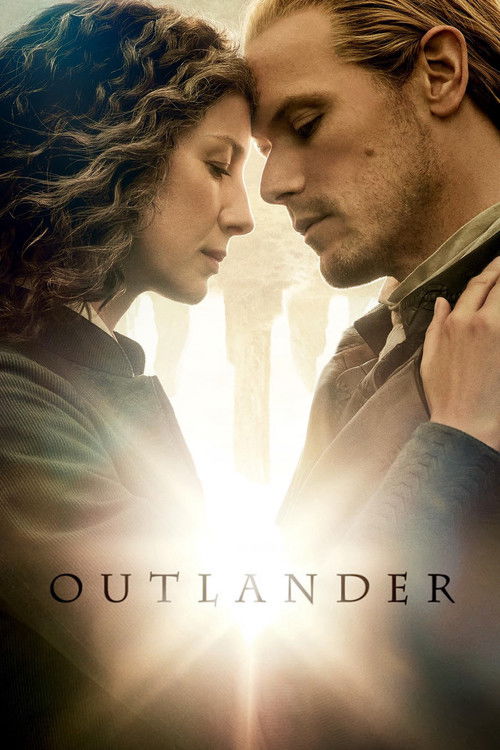
Original Title: Outlander
Year: 2014
Genre: Drama, Sci-Fi & Fantasy
Duration: 42min
Cast: Caitríona Balfe, Sam Heughan, Sophie Skelton, Richard Rankin
A Sweeping Saga Across Time and Culture
Ronald D. Moore's 'Outlander,' based on Diana Gabaldon's beloved novels, burst onto the television landscape in 2014 with an ambitious premise: a married 1940s combat nurse, Claire Randall, inadvertently travels two centuries into the past to 18th-century Scotland. There, she finds herself entangled in a world both brutally foreign and intoxicatingly romantic. This series doesn't just ask 'what if time travel was real?'; it plunges viewers headfirst into the visceral realities of a bygone era, masterfully blending historical drama, epic romance, and speculative fiction.
Character and Chemistry: The Beating Heart of the Series
At the core of 'Outlander's' immense appeal are its compelling lead performances. Caitríona Balfe as Claire Randall is nothing short of phenomenal. She portrays Claire with an intelligent defiance, a fierce pragmatism, and a raw emotional vulnerability that makes her an anchor in a tumultuous narrative. Her portrayal is crucial; without a believable Claire, the entire premise would falter. Opposite her, Sam Heughan embodies Jamie Fraser, the chivalrous and passionate Scottish warrior, with a blend of strength, tenderness, and unwavering loyalty. The chemistry between Balfe and Heughan is electric, evolving beyond mere passion into a deep, soul-binding connection that grounds the fantastical elements in human emotion. This central relationship is the series' undeniable strength, driving both its romantic and dramatic arcs.
Historical Immersion and Visual Grandeur
One of 'Outlander's' most commendable achievements is its meticulous world-building and breathtaking cinematography. From the rugged landscapes of the Scottish Highlands to the intricate period costumes and set designs, every detail contributes to a profound sense of immersion. The series doesn't shy away from the harsh realities of the 18th century – violence, political intrigue, and social constraints are depicted with an unflinching honesty that adds grit and gravitas to the fantastical plot. Ronald D. Moore's direction ensures that the visual storytelling is as rich and complex as the narrative, making each episode a feast for the eyes and a journey through history.
Navigating Genre Blends with Poise
'Outlander' bravely walks the tightrope between multiple genres. It is undeniably a historical drama, steeped in Jacobite rebellion and clan politics. It is a compelling romance, exploring themes of fidelity, destiny, and profound love. And it is, at its heart, a work of science fiction and fantasy, with time travel serving as the catalyst for Claire's extraordinary journey. The series manages to weave these threads together with remarkable coherence, ensuring that no single genre overwhelms the others. This delicate balance allows 'Outlander' to explore complex themes of identity, belonging, and the choices that define a life across the vast expanse of time.
The Verdict
For those seeking a television series that dares to defy easy categorization, offering a rich tapestry of history, romance, and speculative wonder, 'Outlander' is an unequivocal triumph. It is a testament to powerful storytelling, outstanding performances, and a commitment to detail that transports its audience to another world, and another time. While its narrative pace can occasionally be deliberate, this merely allows for deeper character development and a more profound exploration of its intricate plotlines. 'Outlander' is more than just a series; it's an experience, a journey that captivates the heart and challenges the mind.
Beyond the epic romance, what aspects of 'Outlander's' historical accuracy or fantastical elements most surprised you?


💬 Comments (0)