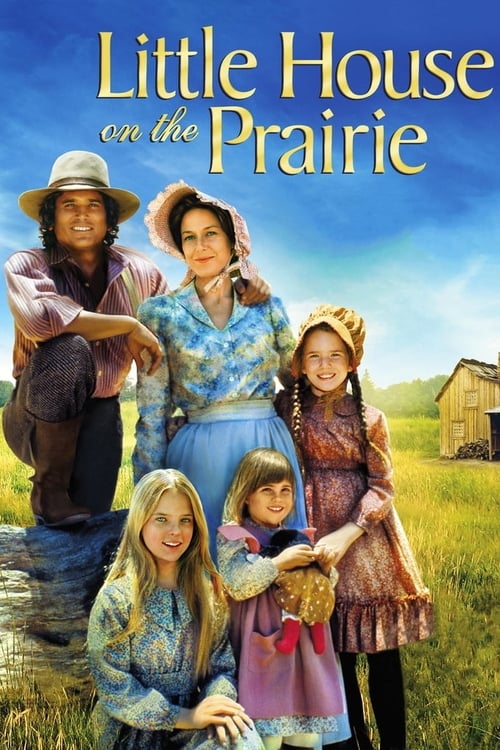
Original Title: Little House on the Prairie
Year: 1974
Genre: Western, Drama, Family
Cast: Melissa Gilbert, Dean Butler, Katherine MacGregor, Richard Bull
The Enduring Charm of Frontier Life: A Look Back at 'Little House on the Prairie' (1974)
From its initial airing in 1974, 'Little House on the Prairie' carved out a unique place in television history, transforming Laura Ingalls Wilder's cherished books into a weekly saga that captivated audiences for a decade. Created by Ed Friendly and based on the foundational works of Laura Ingalls Wilder, this Western drama series invited viewers into the raw, often unforgiving, yet ultimately rewarding world of the Ingalls family.
Pioneering Spirit and Enduring Appeal
The series masterfully chronicles Charles Ingalls' decision to move his family from the challenging 'big woods' of Wisconsin to Walnut Grove, Minnesota. This premise immediately establishes a narrative rich in themes of resilience, community, and the persistent pursuit of a better life. The episodic structure, while sometimes presenting self-contained stories, consistently built upon the family's struggles and triumphs, from crop failures and blizzards to joyous celebrations and the simple pleasures of frontier living. It’s a compelling testament to the human spirit's ability to adapt and find hope amidst adversity.
Performances and Character Depth
The success of 'Little House on the Prairie' largely hinges on its memorable cast. Melissa Gilbert, as the spirited Laura Ingalls, anchors the show with a performance that matures beautifully over the series' run. Her perspective often serves as the emotional core, bringing a youthful authenticity to the challenges faced. Dean Butler, as Almanzo Wilder, brings a solid presence in later seasons, embodying the steadfast partner for Laura. However, it is the nuanced portrayals of characters like Katherine MacGregor's Harriet Oleson and Richard Bull's Nels Oleson that provide crucial thematic contrast and comic relief, highlighting the complexities of small-town dynamics and the sometimes-petty rivalries that exist even in close-knit communities. The ensemble’s commitment breathed life into characters that felt deeply real and relatable.
Storytelling and Thematic Resonance
Beyond its engaging plotlines, 'Little House on the Prairie' excelled in its ability to explore profound themes relevant across generations. It tackled complex issues such as poverty, illness, prejudice, and loss with a sensitivity that was both educational and deeply moving. Yet, it never shied away from depicting the inherent joys and simple beauties of life, emphasizing the importance of family bonds, hard work, faith, and the strength found in community. The series served as a moral compass for many, offering lessons on empathy, integrity, and perseverance without feeling preachy, a difficult balance to strike in any dramatic program.
Legacy and Cultural Impact
Decades after its premiere, 'Little House on the Prairie' remains a cultural touchstone. Its portrayal of 19th-century American life, filtered through the lens of a loving family, continues to resonate, offering both historical insight and timeless emotional depth. While some aspects might be viewed differently through a modern lens, its core messages about family, community, and overcoming hardship ensure its place as a classic piece of television. It’s a program that not only entertained but also instilled values, solidifying its legacy as more than just a Western drama, but a fundamental part of television heritage.
Considering the enduring popularity of 'Little House on the Prairie,' what do you believe is the single most important lesson or value the Ingalls family imparted to its audience over the years?








💬 Comments (0)