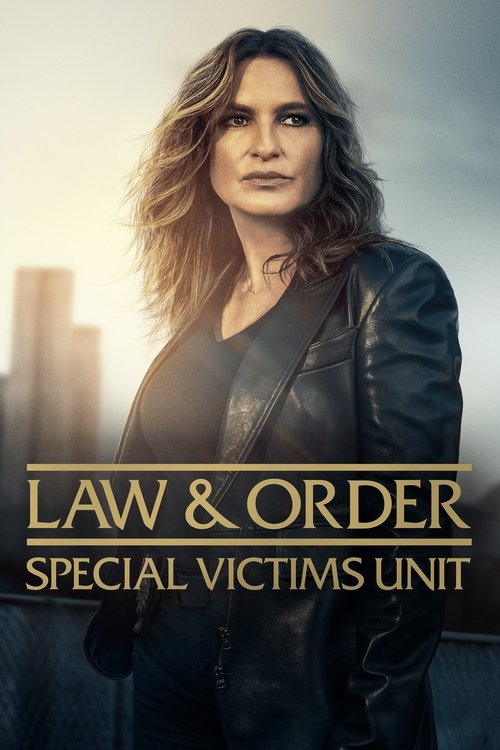
Law & Order: Special Victims Unit Review (1999)
The enduring crime procedural, Law & Order: Special Victims Unit, premiered in 1999, quickly establishing itself as a unique and often unflinching exploration of New York City's darkest criminal underbelly. From its inception, this TV Series carved out a distinct niche within the vast Law & Order universe, focusing with relentless intensity on crimes that often leave deep emotional scars.
The Storyline
"In the criminal justice system, sexually-based offenses are considered especially heinous." This iconic opening narration sets the tone for a show that has, for decades, dived headfirst into the complex and often traumatic world of sexual assault, child abuse, and domestic violence. Law & Order: SVU isn't just a police procedural; it's a dramatic inquiry into victimology, the legal system's struggles, and the moral ambiguities faced by those on the front lines. The series distinguishes itself by often giving significant screentime to the victims' perspectives, exploring the psychological aftermath of their experiences, and the challenging journey through justice. While each episode typically follows a "ripped from the headlines" format, adapting real-world cases with fictionalized elements, the show consistently examines the intricate interplay between evidence, testimony, legal loopholes, and societal prejudices. It grapples with sensitive themes, often sparking important conversations about consent, power dynamics, and the pursuit of truth in emotionally charged circumstances.
Performances & Direction
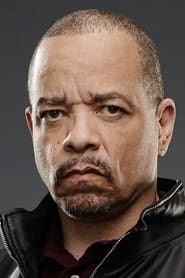
The mastermind behind the entire Law & Order empire, Dick Wolf, solidified his legacy with SVU. His signature procedural formula — a tight script, character-driven investigations, and a focus on both the police work and the legal ramifications — is meticulously applied here, allowing for deep dives into complex cases while maintaining a consistent narrative flow across seasons. Wolf's vision for SVU has allowed it to tackle incredibly difficult subject matter with a gravitas that few other shows achieve. At the heart of the series' unprecedented longevity are its core performances. Mariska Hargitay, as Captain Olivia Benson, has delivered one of television's most iconic and enduring portrayals. Her evolution from a compassionate detective to a formidable captain, grappling with personal trauma while tirelessly advocating for victims, is a masterclass in nuanced acting. She imbues Benson with strength, vulnerability, and an unwavering moral compass that anchors the entire series. Ice-T, joining in the second season as Sergeant Odafin "Fin" Tutuola, provides a crucial counterpoint. His pragmatic, often sardonic demeanor offers moments of levity and grounded realism amidst the heavy subject matter, evolving his character from a cynical former narcotics detective into a loyal and respected member of the unit. Their combined chemistry and individual strength have been instrumental in the show's sustained impact.
Final Verdict
Law & Order: Special Victims Unit is more than just a TV Series; it's a cultural phenomenon that has consistently challenged viewers while educating them on the harsh realities of sexually-based crimes. Despite its occasional dips in quality over two decades, its commitment to victim advocacy, its groundbreaking portrayal of sensitive issues, and the powerhouse performances by Mariska Hargitay and Ice-T have cemented its place as a television institution. It’s a testament to the enduring power of strong storytelling and characters who resonate deeply.
It earns a solid 8.5/10.
What are your thoughts on Law & Order: SVU's impact on television and crime dramas? Share your opinions below!





💬 Comments (0)