
- Original Title: Day One
- Year: 2026
- Genre: Drama, Mystery
- Duration: 45min
- Cast: Álex González, Asier Etxeandia, Alba Planas, Jordi Mollà
'Day One' (2026): A Glimpse into Tomorrow's Ethical Dilemmas
The upcoming series 'Day One' plunges viewers into a near-future Barcelona where the lines between technological advancement and ethical responsibility blur with dangerous consequences. Set against the backdrop of the high-stakes Mobile World Congress, the premise immediately establishes a fertile ground for high-octane drama and cerebral mystery.
A Tense Narrative Driven by Timely Themes
At its core, 'Day One' appears to be a sophisticated blend of a cat-and-mouse thriller and a cautionary tale about unchecked innovation. The protagonist, Ulises Albet, is a fascinating archetype: a former tech wunderkind turned vocal critic of the very industry he once championed. His framing for murder, coupled with a city under lockdown, promises a relentless pace and a constant sense of claustrophobic urgency. The series skillfully intertwines a personal quest for exoneration with a much larger, global threat – a groundbreaking technology poised to reshape humanity's ethical landscape. This dual narrative suggests a deeply layered plot, offering both thrilling chases and weighty philosophical questions.
Performance and Potential Impact
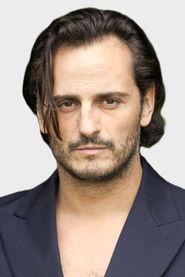
The ensemble cast brings significant talent to the table. Álex González, known for his intensity and range, is well-suited to portray the conflicted Ulises, navigating both physical danger and moral quandaries. Asier Etxeandia's presence always adds a compelling layer to any production, while Alba Planas and Jordi Mollà are consistently strong performers who can anchor complex supporting roles. The chemistry and tension between these actors will be crucial in selling the stakes of a future hanging in the balance. The 'creative team' behind 'Day One' has a rich canvas to explore. The near-future setting of 2026 allows for a speculative yet grounded depiction of technology's rapid evolution, making the ethical dilemmas feel immediate and relevant. If executed with precision, the series has the potential to be not just an engrossing mystery, but a significant cultural commentary on our relationship with technology and the choices we make for progress. Its ability to balance dramatic tension with profound ethical questions will ultimately define its legacy.
Given the premise, how do you foresee Ulises Albet's anti-tech past influencing his desperate fight to expose the new technology?








💬 Comments (0)