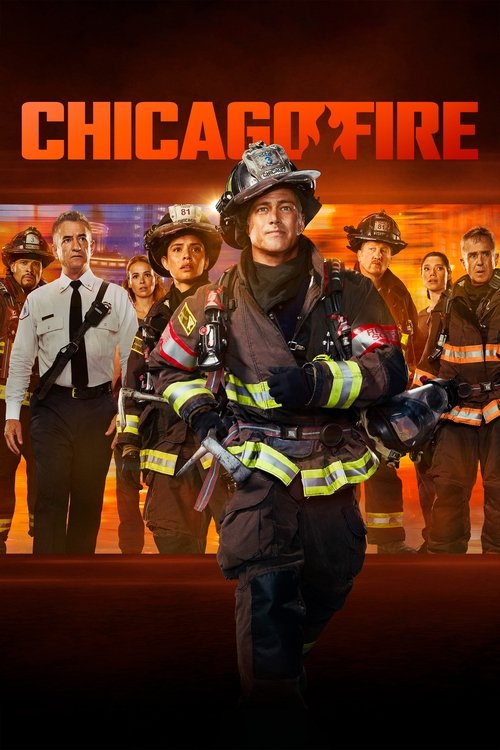
Original Title: Chicago Fire
Year: 2012
Genre: Drama
Duration: 42min per episode
Cast: Taylor Kinney, David Eigenberg, Joe Miñoso, Christian Stolte
Igniting a Franchise: An Enduring Blaze of Heroism
When Chicago Fire premiered in 2012, it didn't just introduce audiences to the courageous men and women of Firehouse 51; it ignited an entire universe. Crafted by Derek Haas and Michael Brandt, this flagship series swiftly established itself as a cornerstone of procedural drama, offering an intimate, visceral look into the high-stakes world of Chicago's firefighters, rescue squad, and paramedics. It’s a compelling testament to the everyday heroes who run towards danger when instinct dictates otherwise.
The Pulse of the City: Plot and Pacing
The series masterfully balances the adrenaline-fueled urgency of emergency calls with the intricate, often tumultuous, personal lives of its characters. Each 42-minute episode is a tightly wound package, typically featuring multiple rescue scenarios alongside unfolding dramatic arcs concerning loyalty, sacrifice, grief, and camaraderie. This dual focus ensures that while the action sequences are impactful and realistic, the emotional core of the series – the bonds forged under extreme pressure – remains its beating heart. The pacing is consistently engaging, seamlessly transitioning between intense operations and the quieter, character-driven moments back at the firehouse.
Direction and Authentic Portrayal
Haas and Brandt, as creators, successfully established a gritty, authentic aesthetic that has defined the series for over a decade. The direction is sharp, making the viewer feel embedded within the chaos of a burning building or the tension of a complex rescue operation. Visual effects and practical stunts contribute to a believable depiction of the dangers faced by these first responders. The technical details are meticulously researched, lending credibility to the procedures and challenges portrayed, a crucial element for any series centered on such a demanding profession.
The Ember of Performance: A Standout Ensemble
The strength of Chicago Fire lies significantly in its ensemble cast. Taylor Kinney as Lieutenant Kelly Severide brings a brooding intensity and a nuanced portrayal of leadership tinged with personal demons. David Eigenberg's Christopher Herrmann provides much-needed comic relief and profound emotional depth, evolving into a beloved patriarch figure. Joe Miñoso and Christian Stolte, among others, contribute to a richly textured cast, each character feeling distinct and integral to the firehouse family. Their collective chemistry is palpable, selling the idea that these individuals are more than colleagues; they are a brotherhood and sisterhood forged in fire.
The Lasting Impact: More Than Just Fires
Beyond the spectacular infernos and daring rescues, Chicago Fire delves into profound themes: the psychological toll of the job, the ethical dilemmas faced in life-or-death situations, and the unwavering dedication to public service. It consistently reminds viewers of the immense bravery, selflessness, and resilience required to wear the uniform. The series isn't merely entertainment; it's a tribute, a stark reminder of the sacrifices made daily by the real-life heroes it portrays. It’s a drama that remains as potent and emotionally resonant as its initial spark.
Considering the series' long run, how do you think its portrayal of character evolution and personal sacrifice compares to other long-standing ensemble dramas?








💬 Comments (0)