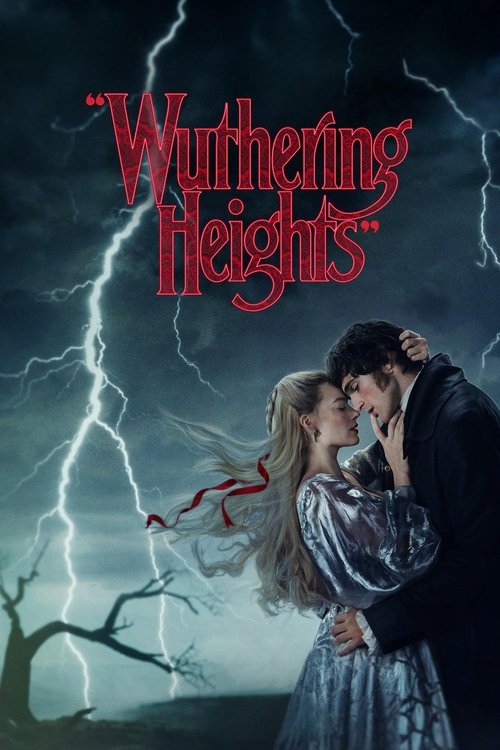
Original Title: "Wuthering Heights"
Year: 2026
Genre: Romance, Drama
Duration: 2h 16min
Cast: Margot Robbie, Jacob Elordi, Hong Chau, Alison Oliver
Emerald Fennell's Haunting Reimagining
Emerald Fennell, known for her sharp, often provocative lens on human relationships and societal expectations, tackles Emily Brontë's timeless tragedy in "Wuthering Heights" (2026) with a startling, visceral intensity. From the windswept Moors to the suffocating confines of 18th-century drawing rooms, Fennell imbues every frame with a palpable sense of longing and impending doom, proving that some stories, when told by the right visionary, can feel both ancient and unsettlingly modern. This is not your grandmother's adaptation; it's a raw, unapologetic dive into the destructive power of love.
A Brutal Beauty on the Moors
Fennell's directorial signature is unmistakable. The film's aesthetic is a masterclass in gothic mood, blending breathtaking natural landscapes with a grim, almost claustrophobic interiority. Cinematography captures the wild, untamed spirit of the Yorkshire Moors, contrasting it sharply with the gilded cages of aristocratic life. There's a deliberate rawness to the violence – both emotional and physical – that feels less like a period drama and more like a psychological thriller. The pacing is deliberate, allowing the simmering resentments and passions to slowly reach a boiling point, culminating in an emotionally exhausting yet undeniably compelling experience. The sound design, particularly the howling winds and strained silences, contributes immensely to the pervasive sense of dread.
A Volatile Duo: Robbie and Elordi
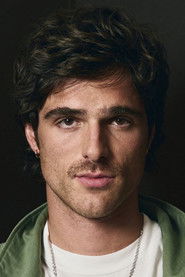
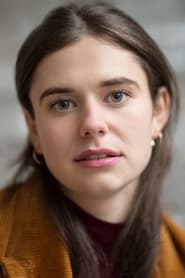
The casting of Margot Robbie as Catherine Earnshaw and Jacob Elordi as Heathcliff is nothing short of inspired, forming a tempestuous core that drives the narrative. Robbie delivers a Catherine of incredible complexity – fiercely independent, desperately vulnerable, and tragically flawed. Her portrayal eschews mere sentimentality for a depiction steeped in burning desire and maddening internal conflict, particularly as she navigates the suffocating expectations of her world. Elordi, meanwhile, crafts a Heathcliff who is less Byronic hero and more primal force of nature. His performance is menacingly alluring, radiating a quiet fury that erupts with devastating consequences. The chemistry between them is electric, manifesting as a destructive magnetism that is both compelling and chilling to witness. Hong Chau, as a stoic yet observant Nelly Dean, anchors the more volatile performances, offering a grounded perspective, while Alison Oliver provides a nuanced portrayal of Isabella, trapped in the crossfire of Heathcliff's vengeance.
The Echoes of Obsession
At its heart, "Wuthering Heights" remains a searing examination of class, obsession, and the impossibility of true liberation in a rigid society. Fennell amplifies these themes, presenting a love story so profound it becomes a curse, infecting generations. The film doesn't shy away from the darker aspects of Brontë's novel, embracing the cruelty and possessiveness that define Heathcliff and Catherine's bond. It forces viewers to confront the uncomfortable truth that some passions, however powerful, are inherently destructive. While its uncompromising vision might not appeal to all, it offers a fresh, unflinching perspective on a story often romanticized. This adaptation feels less like a retelling and more like an exorcism, leaving an indelible mark long after the credits roll.
Given Emerald Fennell's distinct style, do you believe her interpretation might finally do justice to the novel's raw, untamed spirit, or might it alienate traditionalists?







💬 Comments (0)