
Original Title: 小毒龍
Year: 1972
Genre: Action
Duration: 1h 22min
Cast: Shih Szu, Elliot Ngok Wah, Fan Mei-Sheng, Tang Ti
A Wuxia Swan Song: Yueh Feng's Enduring Vision
"The Young Avenger," originally titled "小毒龍," emerges as a formidable entry from director Griffin Yueh Feng's late career, a testament to his four decades of cinematic mastery. Released in 1972, this martial arts epic showcases a filmmaker at the peak of his powers, distilling a lifetime of experience into a vivid wuxia narrative. Feng doesn't shy away from the unconventional, presenting audiences with a truly unforgettable protagonist – a hunchbacked, one-armed warrior whose unique "Poisonous Dragon Sword" style carves out a distinct niche in the crowded landscape of classic kung fu cinema. This bold character design, coupled with intricate fight choreography, immediately sets "The Young Avenger" apart. It's a film that embodies the raw, imaginative spirit of its era, delivering both spectacle and genuine dramatic weight.
Shih Szu: Lethal Grace and Vengeful Fury
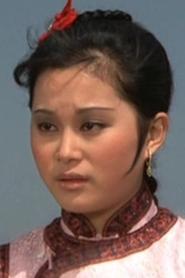
At the heart of "The Young Avenger" is the incandescent Shih Szu, who commands the screen as the titular swordswoman. Tasked with avenging her father's tragic death at the mid-autumn festival, Szu imbues her character with both ethereal beauty and deadly precision. Her performance is a highlight, balancing a compelling emotional core with breathtaking martial arts prowess. She is not merely a figure of vengeance but a dynamic force whose journey anchors the film's elaborate plot. Supported by a strong cast including Elliot Ngok Wah, Fan Mei-Sheng, and Tang Ti, the ensemble brings depth to the various rivalries and alliances that fuel the narrative, culminating in expertly staged confrontations that define the genre.
Enduring Legacy of a Martial Arts Classic
Clocking in at a brisk 1 hour and 22 minutes, "The Young Avenger" is a tightly paced action experience that never overstays its welcome. The film's strength lies in its ability to blend classic wuxia tropes – intricate clan rivalries, secret techniques, and quests for retribution – with fresh, memorable characterizations. Griffin Yueh Feng's direction ensures that every scene, from dramatic exposition to high-flying combat, serves the larger story, showcasing his keen eye for visual storytelling and his understanding of martial arts aesthetics. This film stands not just as a final flourish for an esteemed director but as a vibrant, essential piece of 1970s Hong Kong action cinema, leaving a lasting impression on anyone who ventures into its world of poisoned blades and determined heroes.
What unique weapon or fighting style from classic wuxia cinema do you find most unforgettable?


💬 Comments (0)