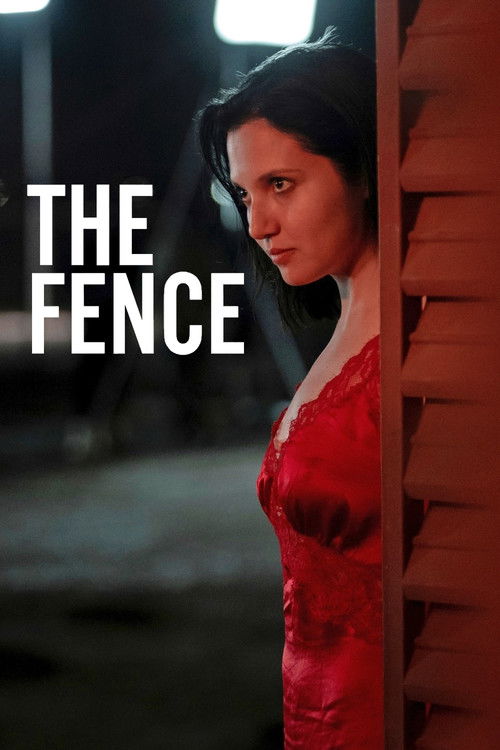
Original Title: Le cri des gardes
Year: 2026
Genre: Drama
Duration: 1h 49min
Cast: Isaach de Bankolé, Matt Dillon, Mia McKenna-Bruce, Tom Blyth
Claire Denis's Haunting Vision in 'The Fence'
Claire Denis, a filmmaker renowned for her visceral and psychologically acute explorations of human nature, returns with 'The Fence' (Le cri des gardes), a taut, atmospheric drama that unfurls over a single, nightmarish night in West Africa. The premise is deceptively simple: a grieving man demands the body of his deceased brother from two foreign construction workers. Yet, in Denis's expert hands, this confrontation transcends a mere dispute, becoming a potent meditation on accountability, cultural clash, and the invisible fences that divide humanity.
A Night of Unsettling Demands and Moral Fences
The film thrusts us into the confined world of a public works project, where Horn (Matt Dillon), the seasoned construction site manager, and Cal (Tom Blyth), a younger engineer, reside within the double gates of a protected compound. The arrival of Leone (Mia McKenna-Bruce), Horn's new bride, introduces an element of domestic normalcy just as it's violently shattered by the spectral appearance of Alboury (Isaach de Bankolé). Alboury's demand for his brother's body isn't just a plea; it's a relentless, almost spiritual siege. Denis masterfully uses the compound's walls and the surrounding darkness as both literal and metaphorical barriers, amplifying the claustrophobia and the inescapable moral dilemma facing the two men. Leone, an unwitting observer, becomes our eyes into a slow-burn disaster where the weight of responsibility, or its evasion, presses down with suffocating intensity.
Potent Performances: Faces of Guilt and Grief
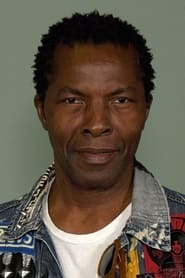
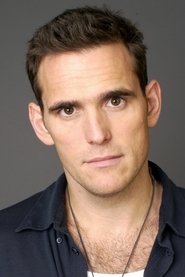
The cast delivers performances perfectly attuned to Denis's minimalist yet deeply resonant style. Isaach de Bankolé, a frequent collaborator with Denis, is electrifying as Alboury. He embodies a righteous, almost ancient grief, his unwavering presence a force of nature against the fragile defenses of the compound. Matt Dillon, as Horn, convincingly portrays a man caught between the pragmatism of his role and the encroaching moral quagmire. His performance is nuanced, revealing layers of weariness and perhaps complicity. Tom Blyth's Cal, the young engineer, offers a counterpoint, perhaps representing a more naive or compromised perspective. Mia McKenna-Bruce, in the pivotal role of Leone, is compelling as the outsider witnessing the unraveling. Her reactions, subtle yet profound, guide the audience through the escalating tension, making her more than a mere spectator; she is a mirror reflecting the gravity of the situation.
Denis's Signature Atmosphere and Subtext
As expected from Claire Denis, 'The Fence' is not just a narrative but an experience. The film’s atmosphere is thick with tropical heat, the hum of the construction site, and the oppressive silence of the night. Denis’s sparse dialogue and reliance on visual storytelling and sonic textures create an almost trance-like state, drawing the viewer deeper into the psychological torment. Themes of colonialism's lingering shadows, the exploitation of labor, and the clash between Western industrialism and indigenous spiritual belief are woven subtly into the fabric of the story, never explicitly stated but always felt. The 'fence' itself becomes a powerful metaphor for the divisions between cultures, privilege, and the human cost of progress.
A Relentless Psychological Drama
'The Fence' is a gripping, uncomfortable, and ultimately unforgettable drama. It’s a film that demands patience but richly rewards it with its profound insights into human nature under duress. Denis avoids easy answers, instead plunging viewers into the murky depths of moral ambiguity. This is essential viewing for anyone who appreciates cinema that lingers long after the credits roll, provoking thought and discussion about justice, responsibility, and the silent screams of the unseen.
Given the confined setting and relentless nature of Alboury's pursuit, how might the physical and psychological 'fences' within the compound reflect the deeper cultural and moral divides explored in the film?






💬 Comments (0)