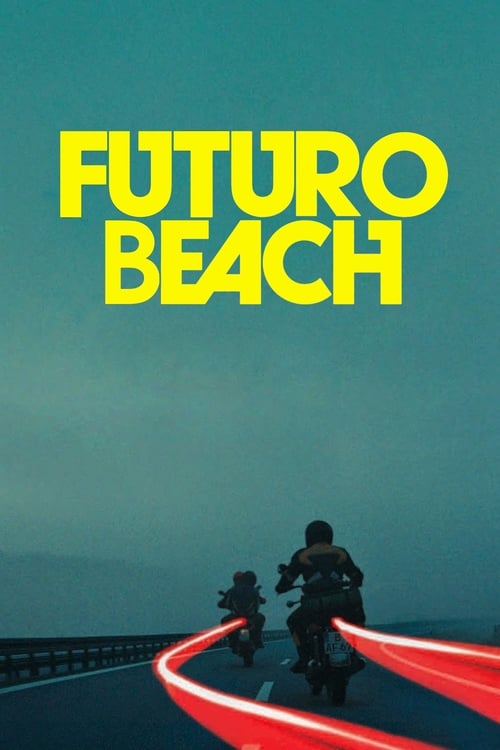
- Original Title: Praia do Futuro
- Year: 2014
- Genre: Drama
- Duration: 1h 46min
- Cast: Wagner Moura, Clemens Schick, Jesuíta Barbosa, Sávio Ygor Ramos
A Journey of Guilt and Reinvention
Karim Aïnouz's "Futuro Beach" (Praia do Futuro) is a deeply contemplative drama that charts the intricate emotional landscape of a man adrift, both geographically and spiritually. The movie opens on the sun-baked shores of Fortaleza, Brazil, where Donato (Wagner Moura), a lifeguard, experiences a life-altering tragedy: a failed attempt to save a drowning man. This pivotal moment doesn't just introduce him to Konrad (Clemens Schick), the deceased's friend; it propels him into a new existence, eventually leading him to the colder, industrial embrace of Berlin. Aïnouz skillfully crafts a narrative about the heavy cost of reinvention, exploring themes of guilt, displacement, sexual identity, and the enduring pull of family ties. Donato's decision to sever ties with his past, including his adoring younger brother Ayrton (Jesuíta Barbosa), sets in motion a melancholic journey where the pieces of his abandoned life relentlessly seek him out.
Visual Poetry and Pacing
Aïnouz's direction is marked by a keen visual sensibility that eloquently contrasts the vibrant, almost suffocating warmth of Brazil with the stark, often grey, urban expanse of Berlin. This geographical shift mirrors Donato's internal transformation—or perhaps, his emotional calcification. The cinematography captures the raw beauty of both settings, using them not merely as backdrops but as psychological extensions of Donato's state of mind. The pacing is deliberate, allowing scenes to breathe and emotions to simmer beneath the surface, which some viewers might find challenging. However, this measured rhythm is crucial to the movie's contemplative nature, inviting the audience to inhabit Donato's slow-burning despair and muted longing rather than merely observe it.
Performances of Profound Subtlety
The strength of "Futuro Beach" rests heavily on its central performances. Wagner Moura, renowned for his more explosive roles, delivers an astonishingly internalized portrayal of Donato. His performance is a masterclass in subtlety, conveying profound guilt, loneliness, and a quiet desperation through gestures, gazes, and a palpable sense of emotional exhaustion. He embodies a man trying to outrun himself, only to find his past an indelible shadow. Clemens Schick provides an anchoring presence as Konrad, his stoicism and quiet strength forming a compelling counterpoint to Donato's vulnerability. Their evolving relationship is the emotional heart of the movie, depicted with a naturalism that feels both tender and raw. Jesuíta Barbosa, as Ayrton, brings a heartbreaking earnestness to his character, serving as a powerful reminder of what Donato left behind and the unbreakable bonds that defy distance.
The Unescapable Past
"Futuro Beach" is not a movie that offers easy resolutions or clear-cut answers. It is a profoundly human study of the consequences of impulsive choices and the complex interplay between personal freedom and familial responsibility. The "pieces of his past" that come after Donato are not external threats, but the internal echoes of his abandonment and the unaddressed grief that lingers. The movie challenges viewers to confront the uncomfortable truth that escaping one's past is often an illusion, and that true peace may only be found through reconciliation with the self and the people left behind. While its contemplative pace and emotionally nuanced narrative might not appeal to all, those seeking a deeply resonant and artfully crafted drama about identity, migration, and the enduring weight of human connection will find "Futuro Beach" an unforgettable cinematic experience.
How do the contrasting landscapes of Fortaleza and Berlin contribute to Donato's complex emotional journey, and do they truly offer him the escape he seeks?








💬 Comments (0)