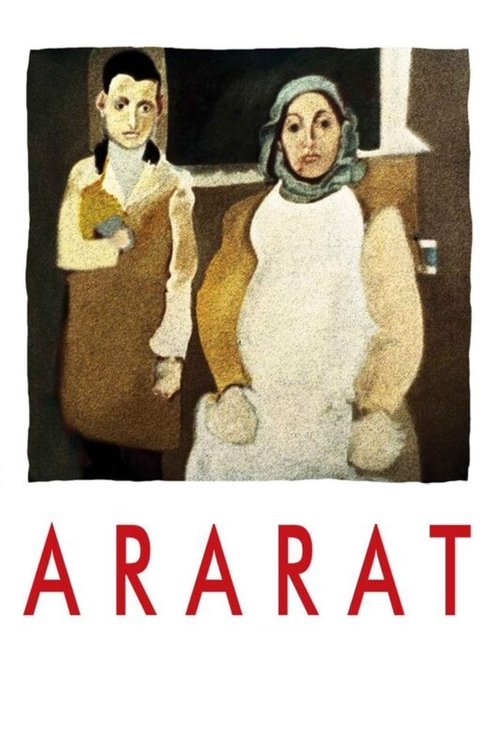
Original Title: Ararat
Year: 2002
Genre: Drama, War, History
Duration: 1h 55min
Cast: Simon Abkarian, Charles Aznavour, Christopher Plummer, Arsinée Khanjian
A Tapestry of Memory and Truth
Atom Egoyan's 2002 Movie, 'Ararat,' is not merely a historical account but a profound meditation on how history is constructed, remembered, and often denied. Set against the backdrop of the Armenian Genocide, the film masterfully employs a multi-layered narrative, weaving together the story of a young man interrogated by a customs officer, the making of a historical film about the genocide, and fragmented flashbacks to the events themselves. Egoyan, with his characteristic non-linear approach, challenges viewers to confront the elusive nature of truth and the enduring impact of collective trauma.
Narrative Complexity and Emotional Resonance
The film's ambitious structure is its greatest strength and, for some, its most demanding aspect. We navigate between a contemporary storyline involving a customs agent (Christopher Plummer) and a young Armenian-Canadian man (David Alpay) bringing canisters of film back from Turkey, and a separate thread detailing the production of a biographical movie about Armenian artist Arshile Gorky. This film-within-a-film mechanism allows Egoyan to explore different perspectives on the genocide: the objective historian, the traumatized survivor, the questioning youth, and the indifferent outsider. The emotional weight is immense, particularly in scenes depicting the historical atrocities, which are handled with a stark, unsettling realism that avoids sensationalism.
Stellar Performances Anchor the Story
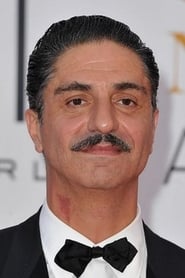
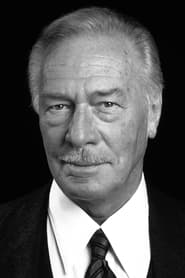
The ensemble cast delivers compelling performances that anchor the film's intricate plot. Christopher Plummer is particularly captivating in his dual role as both the skeptical customs officer and the actor portraying American missionary Clarence Ussher in the film-within-a-film. His nuanced portrayal offers a critical lens through which to examine the historical narrative. Arsinée Khanjian, a frequent collaborator with Egoyan, brings a powerful, understated gravitas as Ani, a art historian and consultant on the film, grappling with her personal connection to the past. Simon Abkarian and Charles Aznavour also contribute memorable performances, adding depth to the diverse voices striving to articulate the unspeakable.
Egoyan's Unflinching Vision
Egoyan's direction is contemplative and deliberate, refusing easy answers or simple narratives. He uses cinematography and editing to evoke a sense of fragmented memory and the psychological burden carried by generations affected by the genocide. 'Ararat' is a demanding watch, yet it is undeniably a vital one, serving as a cinematic testament to a historical event often overlooked or deliberately erased. It is a powerful reminder of cinema's ability to not only recount history but also to dissect the very act of remembering.
Given 'Ararat's' complex narrative, which thread — the film-within-a-film, the customs interrogation, or the historical reenactments — resonated most deeply with your understanding of the past?








💬 Comments (0)